· By IIWEY
The hidden deciding factor in a CarPlay upgrade: your car
Phone compatibility gets the shortlist started. Dashboard fit and audio routing often decide which upgrade feels right every day.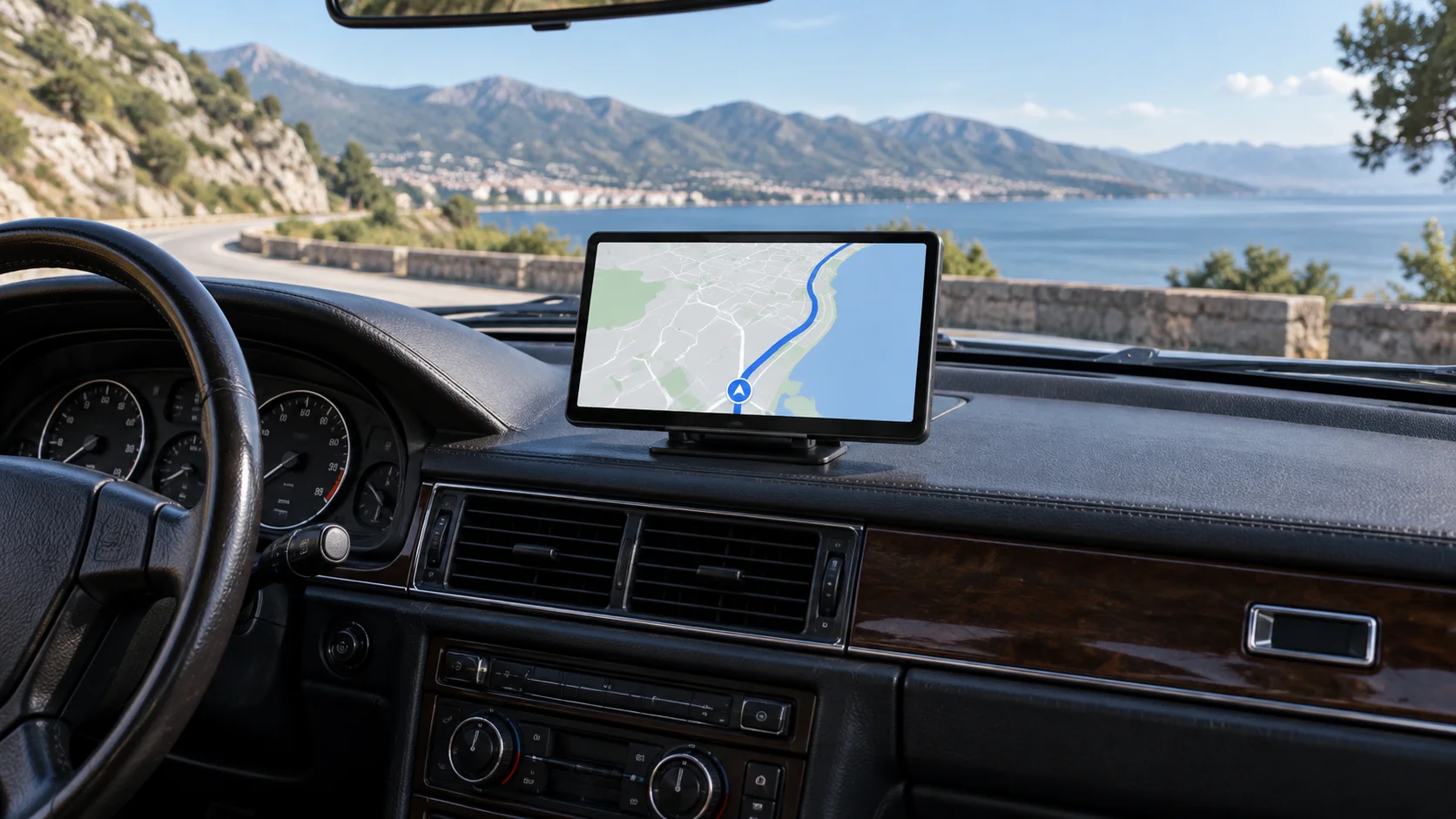
A portable display preserves one system and adds another
A portable screen can provide a compatible phone interface while leaving the existing stereo in place. That makes a reversible upgrade possible, but it also means the display, mount, power and car audio need to work together.
A replacement head unit changes the built-in system instead. It may provide a more integrated result when the vehicle supports the project, but vehicle fit and installation are different considerations. Neither approach wins without knowing what you want to change.
Measure the installed space rather than the picture
A product render can make a large screen look effortless in any vehicle. In practice, the outer dimensions, mount position and driver's seated view matter. The diagonal screen size does not describe the installed footprint.
Use the published dimensions to make a simple template. Check vents, controls and visibility, then account for power and camera cables. If two people drive the vehicle, consider both seating positions. This small check can be more valuable than choosing one size larger.
Audio deserves its own line in the comparison
A phone interface working on the display does not prove the vehicle speakers will use it. Compare the screen's supported audio routes with the car's inputs. AUX needs a usable wired input; a supported Bluetooth route depends on the model and vehicle arrangement; FM requires a matching suitable radio frequency.
Think about calls and navigation prompts as well as music. If your car cannot use the route you prefer, the screen's other features do not solve that gap. Built-in audio may be acceptable for one buyer and insufficient for another.
Recording is a second product decision inside the first
A screen with recording can combine two purchases, but inspect the camera bundle separately. Check front/rear specifications, whether the rear camera and card are included, and the distinction between rear recording and an automatic reverse view.
If cabin or multiple side views are essential, a dedicated multi-channel Dash Cam may better meet that part of the requirement. An integrated screen should earn its place by satisfying both needs, rather than by having a generic ‘camera’ badge.
Choose an installation you want to live with
Normal IIWEY portable-screen installation uses the supplied car charger and does not require a hardwire or OBD kit. There is still a mount and cable route to consider, especially if you add a rear camera.
A buyer prioritizing reversibility may accept that visible addition. A buyer whose priority is a factory-style appearance may prefer to investigate a compatible head-unit replacement. Make the choice around the finished vehicle experience rather than a standalone product image.